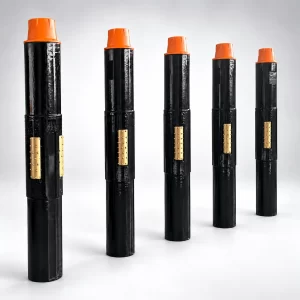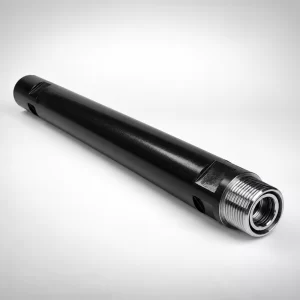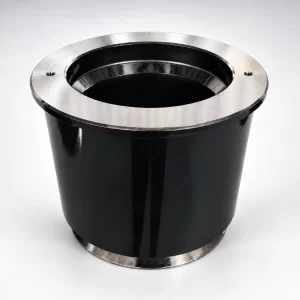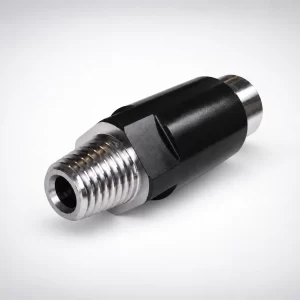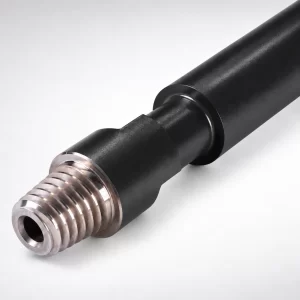

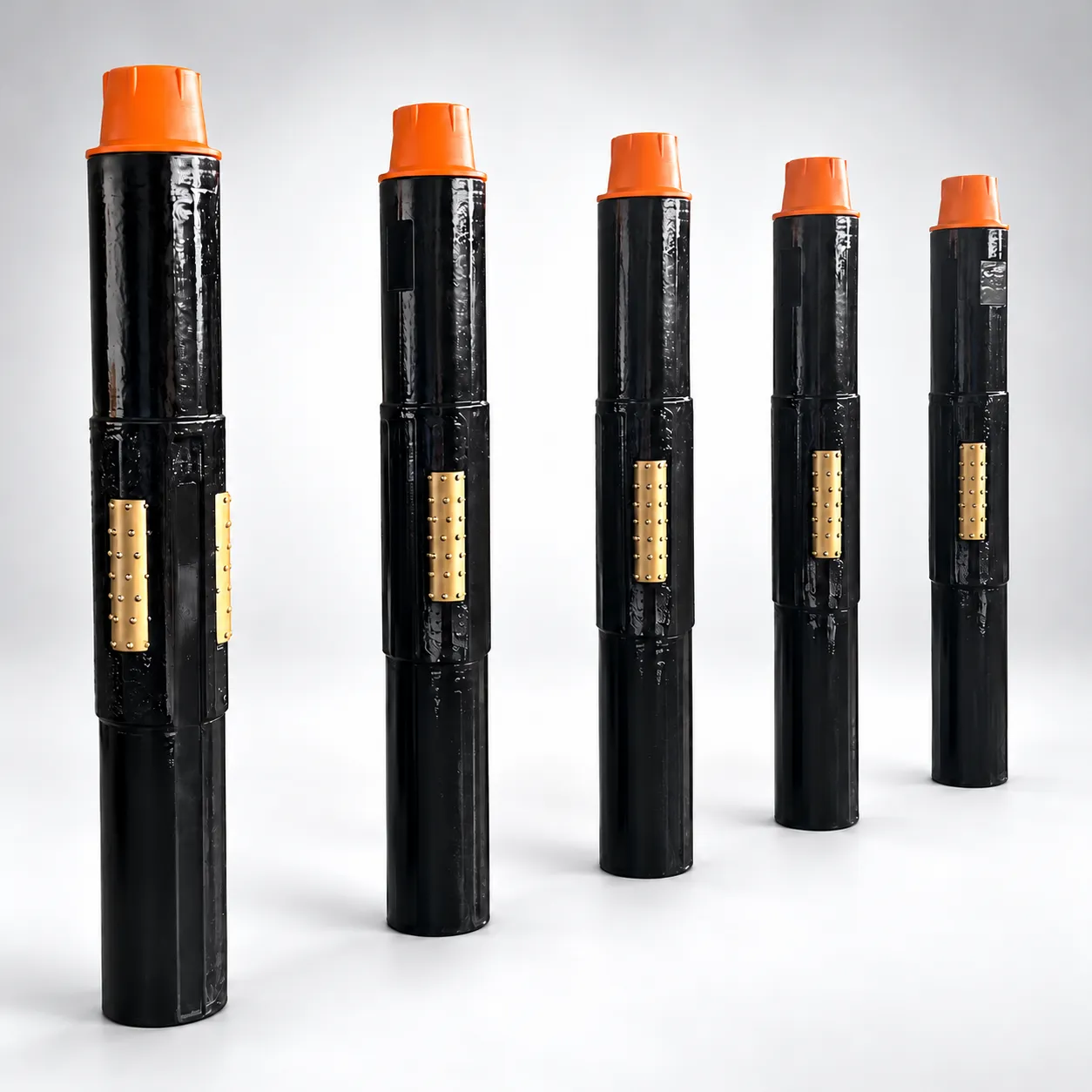
Veuillez nous communiquer les dimensions de votre ensemble de perçage, le diamètre des trous et les spécifications de filetage. Joignez un plan si vous en disposez afin que notre équipe puisse examiner votre configuration et vous établir un devis.
Roller Stabiliser: 3 Essential Checks for Better Fit
- Assembly dimensions: identify the drill pipe or DTH hammer diameter, required hole size, body length and working-section length.
- Mating connection: confirm the thread size and type against the component that must connect to the stabiliser.
- Finished configuration: review the wrenching dimensions, locations and any drawing requirements with the quotation before ordering.
Record Dimensions from Clear Reference Points
Begin with the assembly already used on the project. The diameter of the drill pipe or hammer and the required hole size describe different requirements, so identify each separately. Include the intended application and show which existing components must remain compatible.
The ordering checklist asks for a preferred shoulder-to-shoulder body length and the required working-section length. Mark the surfaces used as measurement references on a drawing. If a dimension has been estimated, identify it as an estimate and request review before the configuration is confirmed.
Roller Stabilizer Connection Requirements
The existing checklist mentions API Reg, API IF and BECO connection options. These names do not mean that different thread types are interchangeable. Supply the exact mating thread designation and any available part reference. Ask for clarification if the existing connection cannot be identified from its markings.
Describe the wrenching dimensions and the locations needed by the assembly. Include relevant clearance requirements on the drawing. A similar overall length or outside diameter does not establish that two configurations share the same interfaces. Check the connection and wrenching requirements together rather than treating them as unrelated dimensions.
Prepare a Useful Roller Stabiliser Enquiry
Send the intended application, required quantity, drill-string details and dimensions that must match existing equipment. Include an assembly drawing or clear photographs where available. Mark the components that will be replaced and those that will remain in use, so the proposed configuration can be reviewed in context.
Check the quoted configuration against the drawing and the existing part reference. Keep the confirmed documentation for future replacement enquiries. If a dimension or interface is missing, request clarification before ordering instead of assuming that the general product name establishes compatibility.
Confirm Product-Specific Details
The configuration checklist does not establish a universal load rating, operating limit or maintenance interval for every stabiliser. Request the details and instructions applicable to the assembly being supplied. Avoid transferring a requirement from another tool simply because the products share a similar body size.
Use the existing checklist as the starting point for an enquiry, then review the finished configuration with North Star. Keep confirmed dimensions separate from information that still needs technical review. This helps ensure the quotation and the supplied drawing refer to the same assembly requirements.
Critique Tubes de forage rotatifs et Adaptateurs rotatifs for related tooling. See train de forage for general technical background.