Climate & Energy

Climate & Energy in Manufacturing

Cleaner production. Smarter energy use. More responsible materials.
North Star is improving manufacturing efficiency through practical changes in equipment, energy, resource use and material sourcing.
2025 progress — Measurable actions are helping build a more efficient and lower-impact manufacturing operation.

Four Areas of
Action

Renewable Electricity

Increase renewable electricity use where practical.

2025 progress
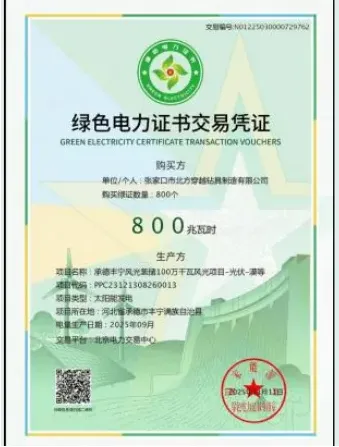
Green electricity accounted for 49.6% of total usage by November 2025.

Energy Efficiency

Improve energy performance through equipment and process upgrades.

2025 progress
Seven high-power motors replaced; 34.7% average energy savings.

Lower-Carbon Material

Increase lower-carbon and green steel procurement.

2025 progress
Green steel procurement share reached 86%.

GHG Management

Strengthen emissions data, monitoring and future target setting.

2024 baseline
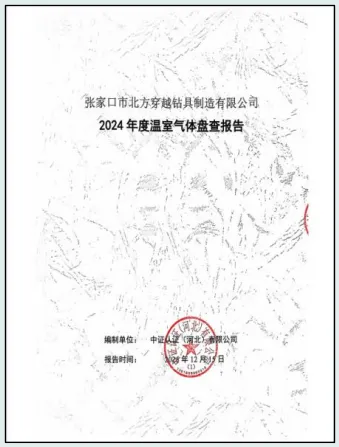
First third-party GHG inventory completed using 2024 as the baseline year.
MANUFACTURING PERFORMANCE

Climate & Energy: Measuring Manufacturing Performance

Our 2025 sustainability reporting provides a clearer baseline for understanding the environmental footprint of manufacturing and prioritising practical improvements.
2024 GHG baseline
Total emissions of 58,835.65 tCO₂e provide the starting point for future energy and emissions management.
2024 Greenhouse Gas Inventory Report
Green electricity trading certificate in North Star climate & energy reporting
Green electricity trading certificate

Energy Management and Green Electricity

Small operational changes can deliver measurable results. In 2025, North Star replaced seven high-power motors and achieved 34.7% average energy savings. We are also increasing renewable electricity use and improving lower-carbon material use.

RESPONSIBLE MATERIALS

A lower-impact product begins with better material choices.

Steel is the core input for drill rods and drilling tools. North Star is therefore working to increase lower-carbon and green steel procurement while strengthening responsible sourcing practices.

86%
Green steel procurement
The green steel procurement share increased by approximately 50% compared with 2024, while total steel procurement volume remained broadly stable.

58,835.65 tCO₂e
TOTAL GHG EMISSIONS
2024 baseline inventory
1,224.78 tCO₂e
SCOPE 1
Direct emissions
6,242.12 tCO₂e
SCOPE 2
Purchased electricity and energy
51,368.75 tCO₂e
SCOPE 3
Value-chain emissions

What Comes Next

Future Climate and Energy Management Goals

Energy Efficiency

Continue improving energy efficiency and increase renewable electricity use where practical.

Renewable Energy

Increase the share of renewable electricity in total electricity consumption.

Emission Reduction

Identify further opportunities to reduce Scope 1 and Scope 2 emissions.

Low-Carbon Sourcing

Support lower-carbon sourcing to reduce upstream Scope 3.